Group Umrah: what to check before you book
Compare group Umrah proposals clearly: room sharing, flights, transfers, guidance, official requirements and written booking terms, with an optional Uzbekistan extension.

Free articles, magazines & books ↗
Explore Uzbekistan and the Silk Roads through history, culture and practical travel advice.
Save stories to return to them in this browser. Your list is private and needs no account. How saving works.
Compare group Umrah proposals clearly: room sharing, flights, transfers, guidance, official requirements and written booking terms, with an optional Uzbekistan extension.
Understand Uzbekistan Airways’ October domestic-fare announcement, compare the complete travel day and check the terms before choosing a ticket.
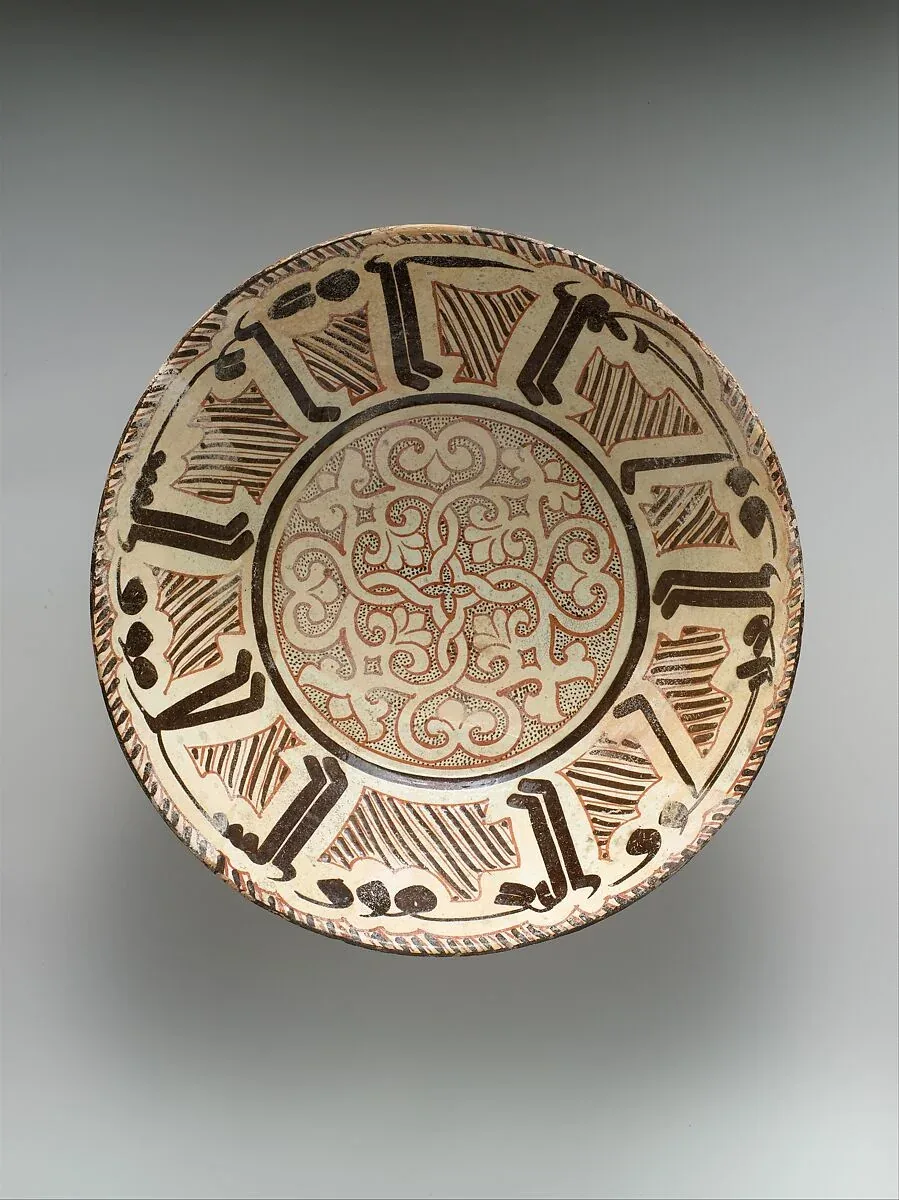
Read a medieval bowl linked to Samarkand, discover Rishtan’s living craft traditions and learn what to ask a ceramic maker before buying.
A thoughtful guide to the Tashkent Qur’an, its Memory of the World recognition, museum dating and the practical questions to ask before a manuscript-focused visit.
A source-cited introduction to Sarazm, early settlement, farming, metalworking and exchange, with a clear distinction from later Sogdian Panjakent and modern travel arrangements.
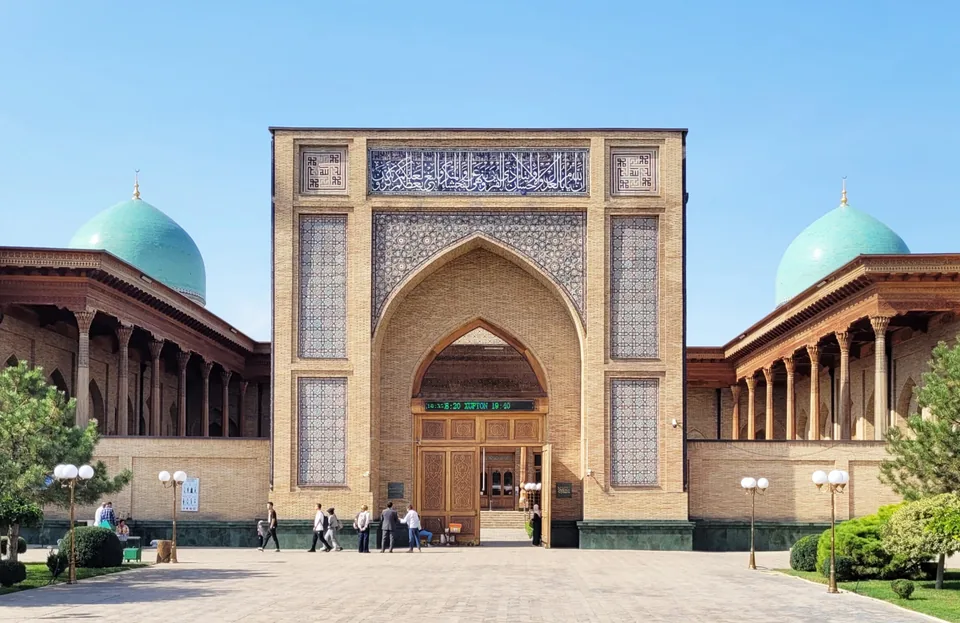
A careful guide to Kokand's Jami Mosque: its early nineteenth-century rebuilding, carved wooden colonnade, differing official dates and place in a Fergana Valley extension.
Plan Uzbekistan rail journeys around the exact station, ticket details, arrival transfers and a sensible departure buffer.
A careful guide to Lyabi-Hauz: how the pond, surrounding buildings, commerce and Bukhara’s wider water system turn a picturesque square into an urban-history lesson.
A careful guide to Toprak Qala and Ayaz Qala: what the archaeology shows, why official date summaries differ and how to plan them as an optional Khiva extension.
A practical reading guide to Central Asian ikat: how the pattern is planned in the threads, what museum objects show and what to ask before buying or adding a craft visit.
A careful guide to Sulaiman-Too in Osh: its Silk Roads setting, archaeological traces, living sacred practices and the difference between evidence and devotional tradition.
A careful guide to Samarkand’s Gur-e Amir ensemble: its Timurid setting, what the monument communicates and why stories about the tomb need clear labels.
A close-reading guide to Khiva’s broad turquoise minaret: what official records support, what belongs to legend and how the monument fits Itchan Kala.
Use Bukhara’s trading domes to understand how commerce, crafts, climate and street planning worked together in the historic city.
Use Fayaztepa to understand an earlier Buddhist layer of southern Uzbekistan while keeping archaeology, later Islamic ziyarat and UNESCO status distinct.
Use Ulugh Beg’s observatory to see Timurid Samarkand as a centre of measurement and learning, while separating surviving evidence from reconstruction.
Use Ming Urik to explore the ancient and medieval layers beneath modern Tashkent, while keeping evidence, interpretation and World Heritage status clear.
Read Khiva’s Juma Mosque through its carved columns, eighteenth-century rebuilding and older timber, with a practical way to plan a slower visit.
Look closely at Bukhara’s Samanid Mausoleum to connect fired-brick design, dynastic history and the limits of what a monument alone can prove.
Use the seventh-century wall paintings of ancient Samarkand to explore diplomacy, cultural connections and the limits of historical interpretation.
An introduction to Uzbek embroidered textiles, their household history and why materials and evidence matter as much as an attractive pattern.
Meet the trading communities behind Central Asia’s long-distance exchanges, and discover what surviving letters can tell us about their world.
A practical guide to placing Samarkand’s Registan in a meaningful itinerary while keeping its historic madrasas distinct from mausoleums and devotional ziyarat sites.
Look beyond silk and monuments to the resting places, water and landscapes that sustained journeys through Central Asia.
A practical comparison of the classic Tashkent–Samarkand–Bukhara route and a longer four-city journey with Khiva, including pace, transfers and questions for a written quote.
UNESCO inscribed Tashkent’s modernist architecture in 2026. Here is how to add that twentieth-century story to a thoughtful ziyarat itinerary without confusing recognition with access.
A thoughtful extension from Samarkand to Shakhrisyabz, using UNESCO’s record to read Timurid monuments, old neighbourhoods and a World Heritage city under conservation pressure.
A careful planning guide to the Mausoleum of Khoja Ahmed Yasawi in Kazakhstan, connecting its unfinished Timurid architecture with Samarkand without treating two countries as one itinerary.
A slower Bukhara walking approach that connects mosques, madrasas, markets and neighbourhood streets instead of treating the old city as a monument checklist.
A calm two-day Samarkand plan that gives Shah-i-Zinda and the Imam al-Bukhari memorial separate space, with realistic transfers and confirmation questions.
A practical checklist for joining an Uzbekistan ziyarat journey to Umrah without confusing suggested routes, confirmed services and official Saudi arrangements.
A calm first-day plan connecting Khazrati Imam with Tashkent’s Islamic Civilization Center, with practical questions to confirm before travelling.
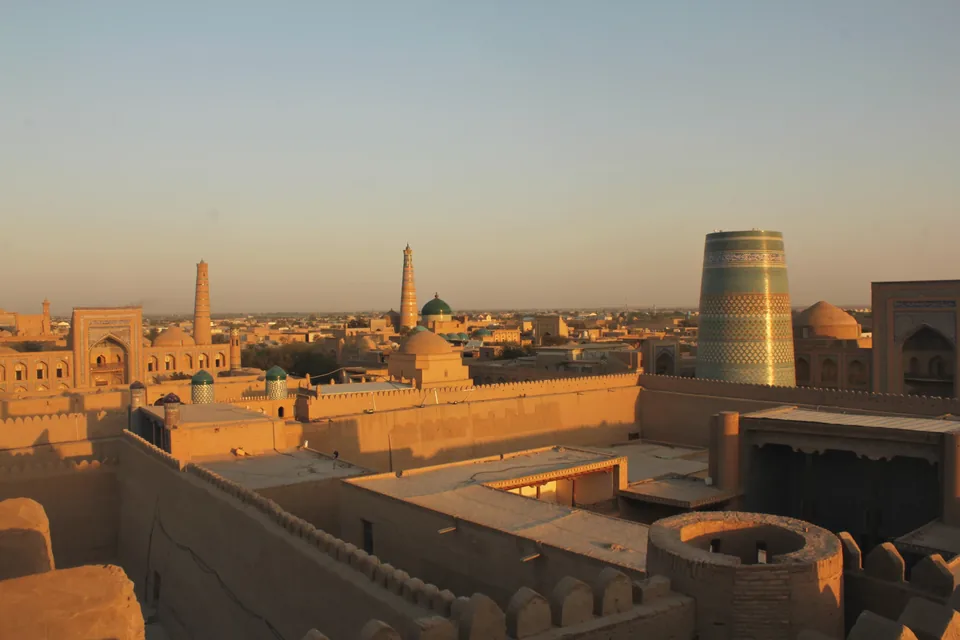
A respectful walking approach to Khiva’s walled inner city, connecting the Pahlavan Mahmud memorial with streets, homes, mosques and craft traditions.
A practical guide to approaching Bukhara’s Seven Saints route with historical context, respectful pacing and the right questions before travelling.
A thoughtful planning guide to the renovated Imam al-Bukhari memorial complex near Samarkand, with verified 2026 context and practical questions to confirm before travelling.
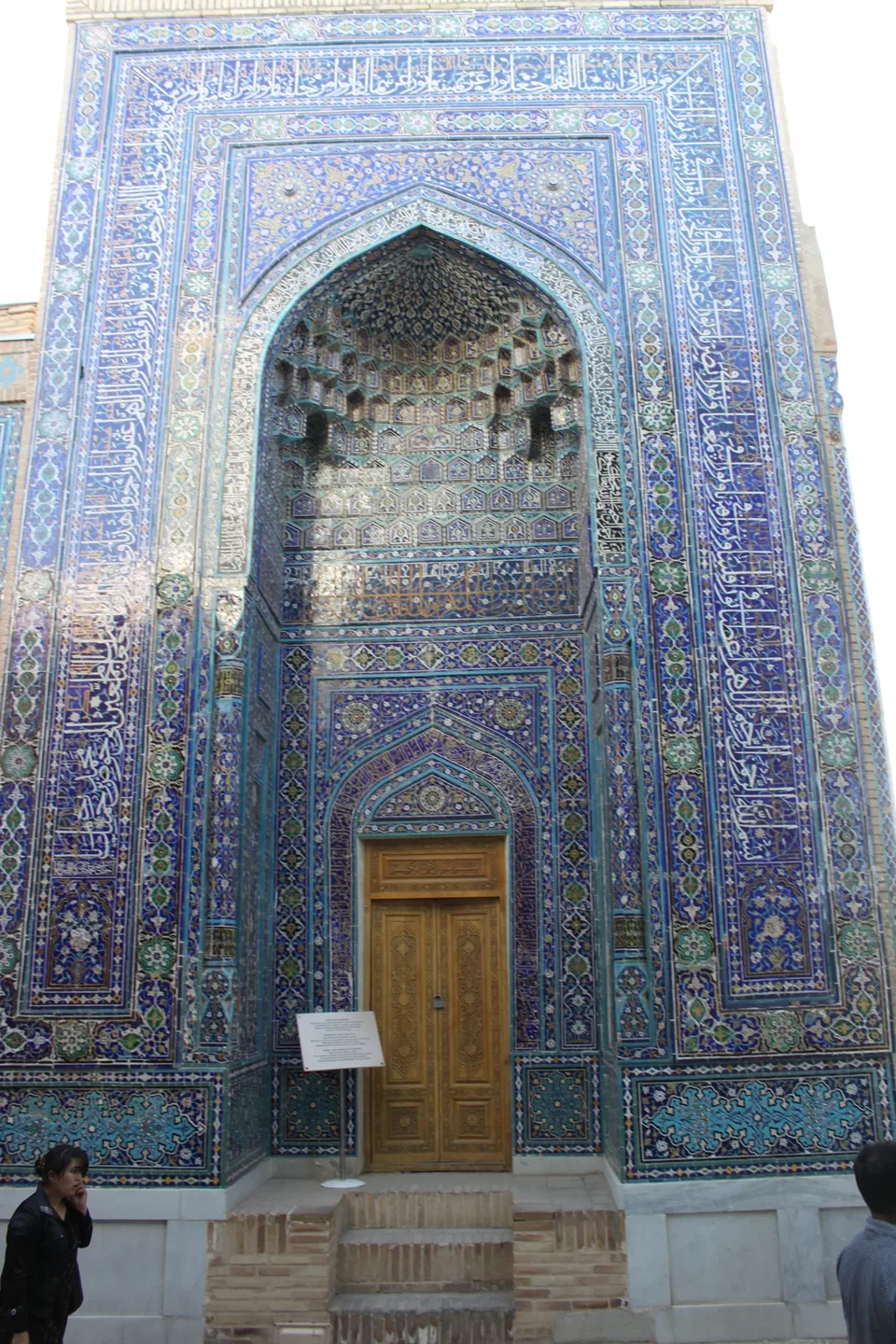
A thoughtful guide to Shah-i-Zinda in Samarkand: its spiritual significance, blue-tiled architecture and how to plan a respectful visit.
Discover the Bahauddin Naqshband memorial complex near Bukhara, its place in local Sufi heritage and a thoughtful approach to visiting.
Begin your Uzbekistan ziyarat journey at Tashkent’s Hazrat Imam complex. An introduction to its scholarly heritage and thoughtful visitor planning.
7 days / 6 nights: Tashkent → Samarkand → Bukhara → Tashkent. Detailed daily visits, overnight stops and a personal quote.
Practical suggestions for a respectful ziyarat visit in Uzbekistan: clothing, photography, prayer spaces and planning around your group’s needs.
9 days / 8 nights: Tashkent → Samarkand → Bukhara → Khiva → Tashkent. Detailed daily visits, overnight stops and a personal quote.
14 days / 13 nights — example: Madinah → Makkah → Tashkent → Samarkand → Bukhara → Tashkent. Detailed daily visits, overnight stops and a personal quote.
Opened in March 2026, the Islamic Civilization Center adds a new possibility to a Tashkent ziyarat itinerary. Here is what to consider when planning a visit.
Within Khiva's walled Itchan Kala, the Pahlavan Mahmud memorial connects a city of mosques, madrasas and skilled craftsmanship with a continuing tradition of pilgrimage. Explore the revered poet's legacy, the memorial's later architecture and the inhabited streets of a UNESCO World Heritage city.
Try a city name, a shorter search, or clear your filters. To keep a story here, press Save story.