
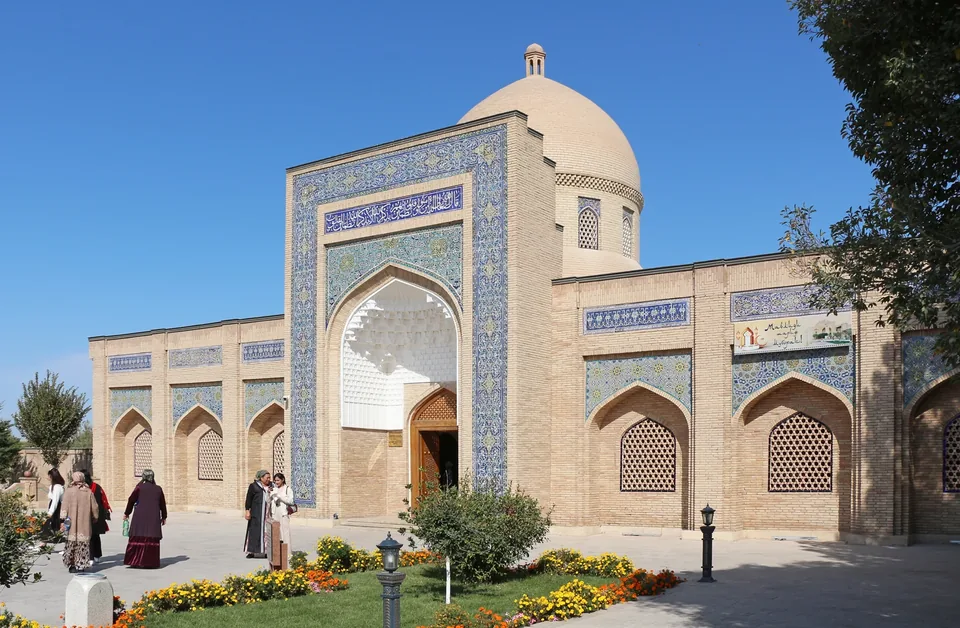

Begin with the whole town
UNESCO describes historic Bukhara as a more than 2,000-year-old Silk Roads city and one of Central Asia’s best-preserved Islamic cities. Its account names major monuments, but makes a more useful point for a first visit: Bukhara’s real importance lies in its overall townscape and urban fabric. Read UNESCO’s World Heritage description.
That means the walk between sites matters. Notice how a mosque, madrasa, trading dome, courtyard and residential lane relate to one another. The city’s story becomes clearer when the monuments are not treated as isolated exhibits.
Look for three connected layers
First, look for places of worship and remembrance. Second, notice spaces of learning: UNESCO records Bukhara’s long importance to Muslim theology and Sufism, and the city’s surviving madrasas show how education shaped the urban landscape. Third, follow the commercial routes through covered markets and crossroads. Together, these layers help explain why Bukhara became both a religious and economic centre.
A guide can make these relationships visible without turning the day into a lecture. Ask for one example of how a religious building, a place of study and a market quarter influenced one another. One well-explained connection is more memorable than ten building names.
Use a walking rhythm, not a race
Choose one major ensemble for close attention, then add one smaller religious or educational place and a stretch of ordinary street. Pause for tea or rest before continuing. This is an editorial route suggestion, not a confirmed guided tour; the right sequence depends on current access, prayer times, weather and the mobility of your group.
If the Bahauddin Naqshband memorial or the wider Seven Saints route is central to your journey, plan it as a separate excursion. Keeping the regional ziyarat visits apart from the old-city walk gives both enough time and avoids reducing sacred places to hurried photo stops.
Travel in a way that protects the place
UNESCO notes that Bukhara’s historic fabric faces pressures including unsuitable new development, changing materials and deterioration of older structures. Visitors can help in simple ways: use established paths, do not touch fragile surfaces, keep doorways clear, follow photography rules and respect barriers around conservation work.
Remember that religious buildings and neighbourhood streets may still serve local communities. Keep explanations away from prayer and entrances, ask before photographing people and avoid presenting every historic building as an unrestricted tourist attraction.
Confirm the practical details close to travel
The UNESCO source checked on 20 September 2026 establishes Bukhara’s heritage significance; it does not provide current opening hours, ticket prices, interior access or availability of guides in your language. Ask the responsible visitor service or your guide to confirm those details for your date.
Request the walking duration, rest points, vehicle meeting place, included admissions and any prayer-time adjustments in writing. Mark each stop as included, optional or awaiting confirmation. Ask about a personal Bukhara plan